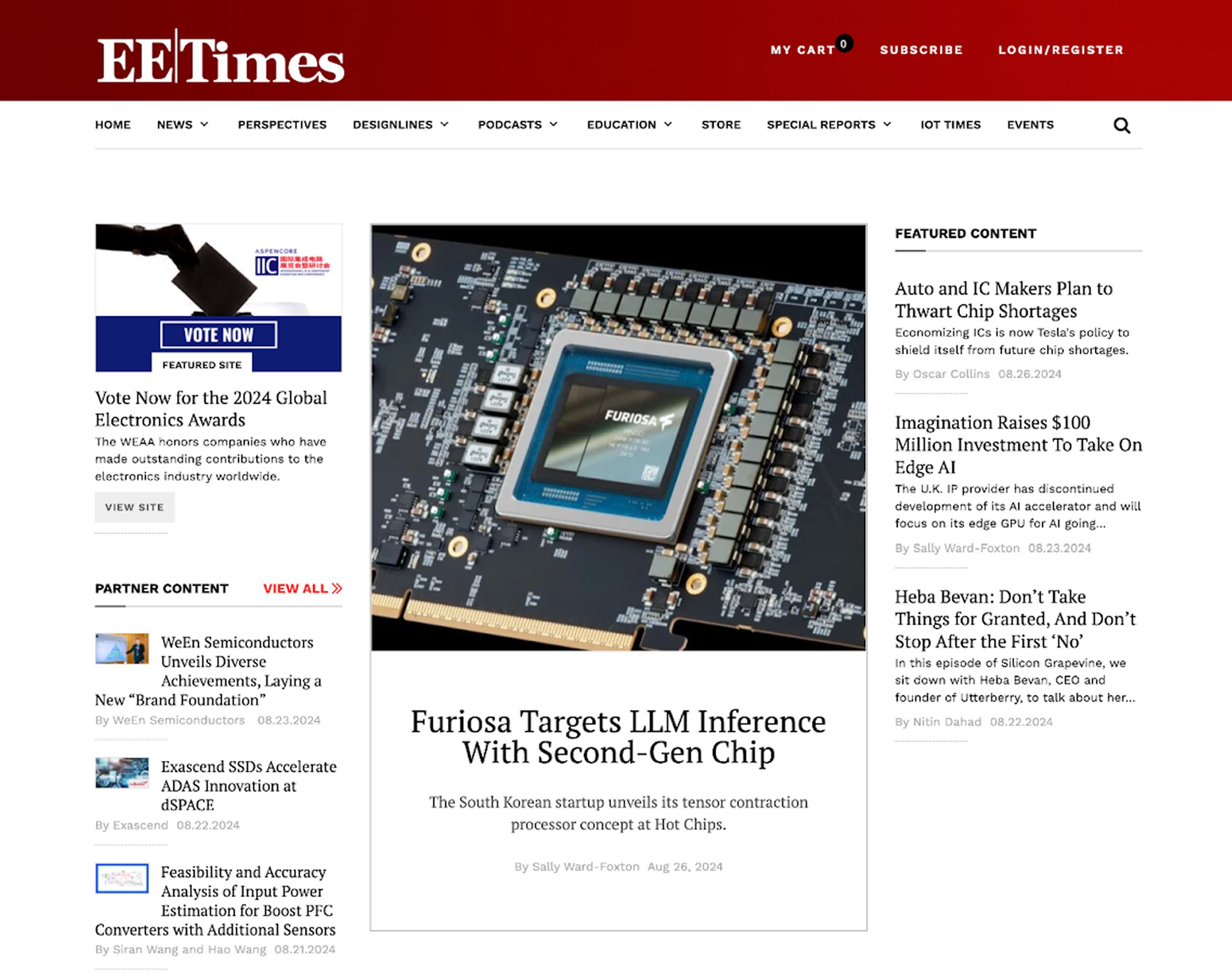
Making an AI Chip accessible
Making an AI Chip accessible
Sole product design lead / FuriosaAI / Jul 2023 - Dec 2024
Context
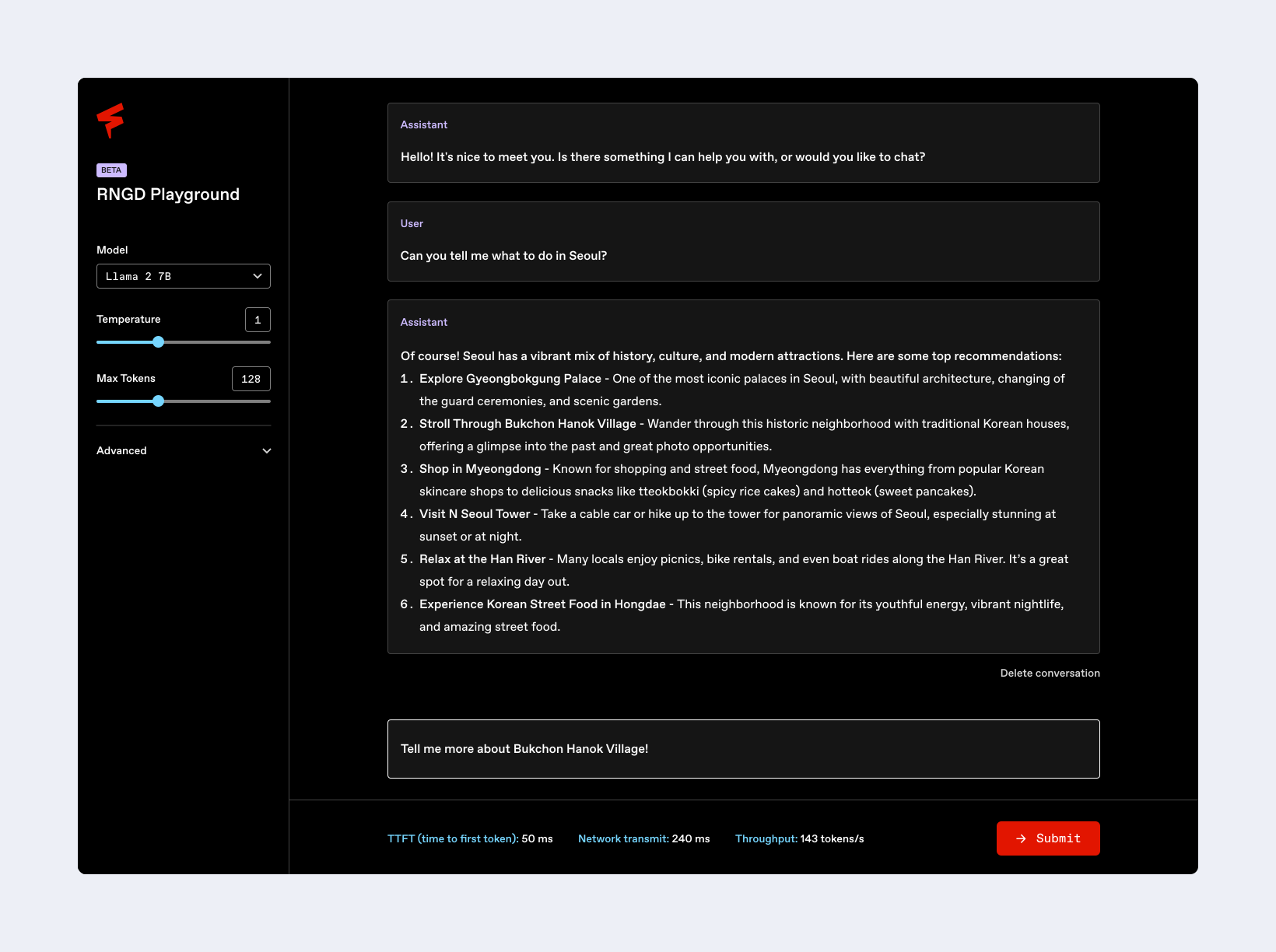
FuriosaAl develops high-performance NPUs optimized for efficient Al inference. Its second-generation chip, Renegade, was powerful but hard to try.
Developers had to talk to sales, get access tokens, install SDKs, and decipher benchmark graphs. That’s not how developers fall in love with tools. They need to feel the performance.
Goals
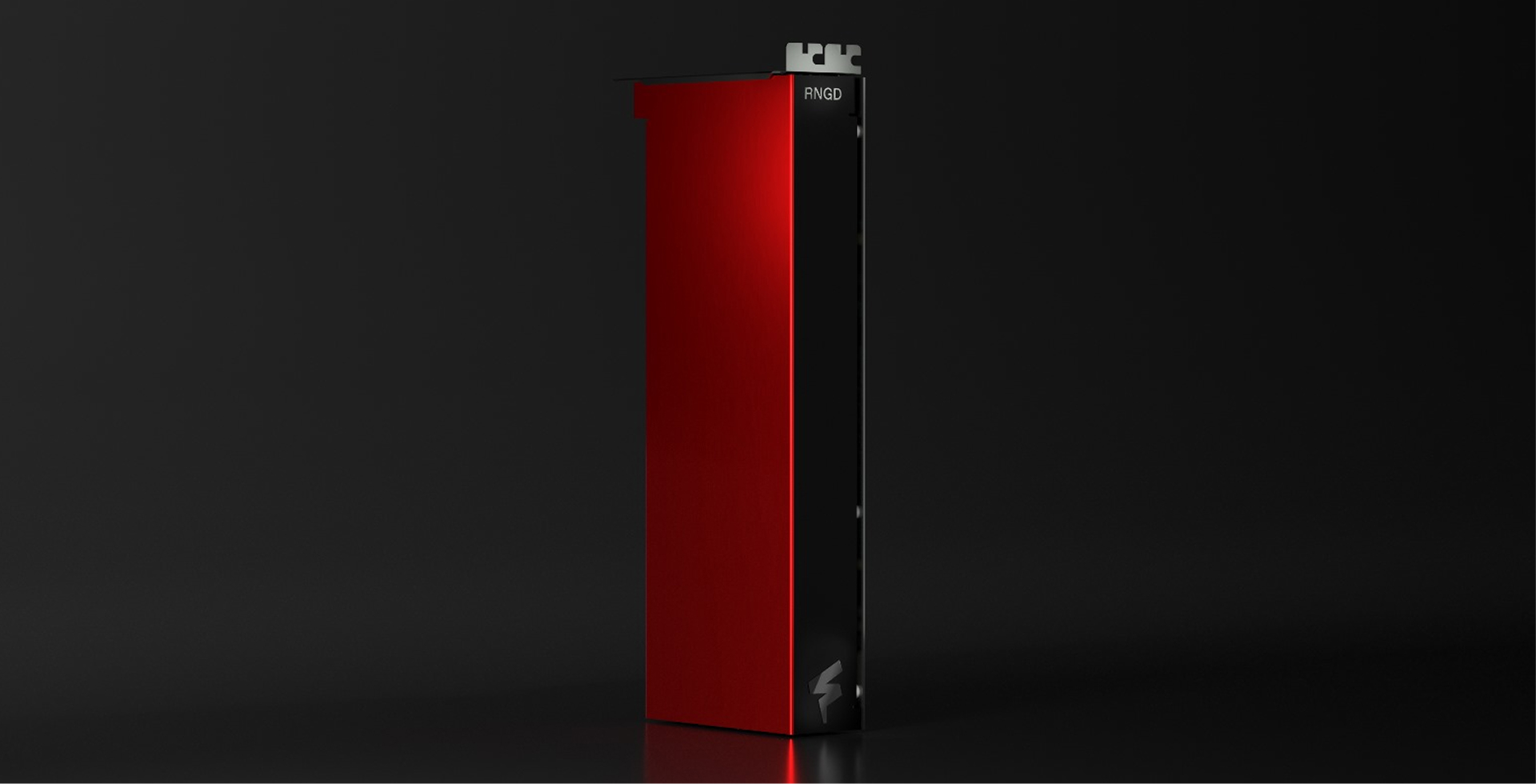
FuriosaAI had a fast chip and promising benchmarks, but no real developer experience. Our goals were to design a self-serve, browser-first experience that could show FuriosaAI’s performance advantage.
We wanted to turn Renegade from a spec sheet into a usable, lovable platform and help FuriosaAI grow developer interest, trial usage, and product-market fit.
Solution
We pushed the boundaries with developer tools for NPU with a cohesive suite of tools.
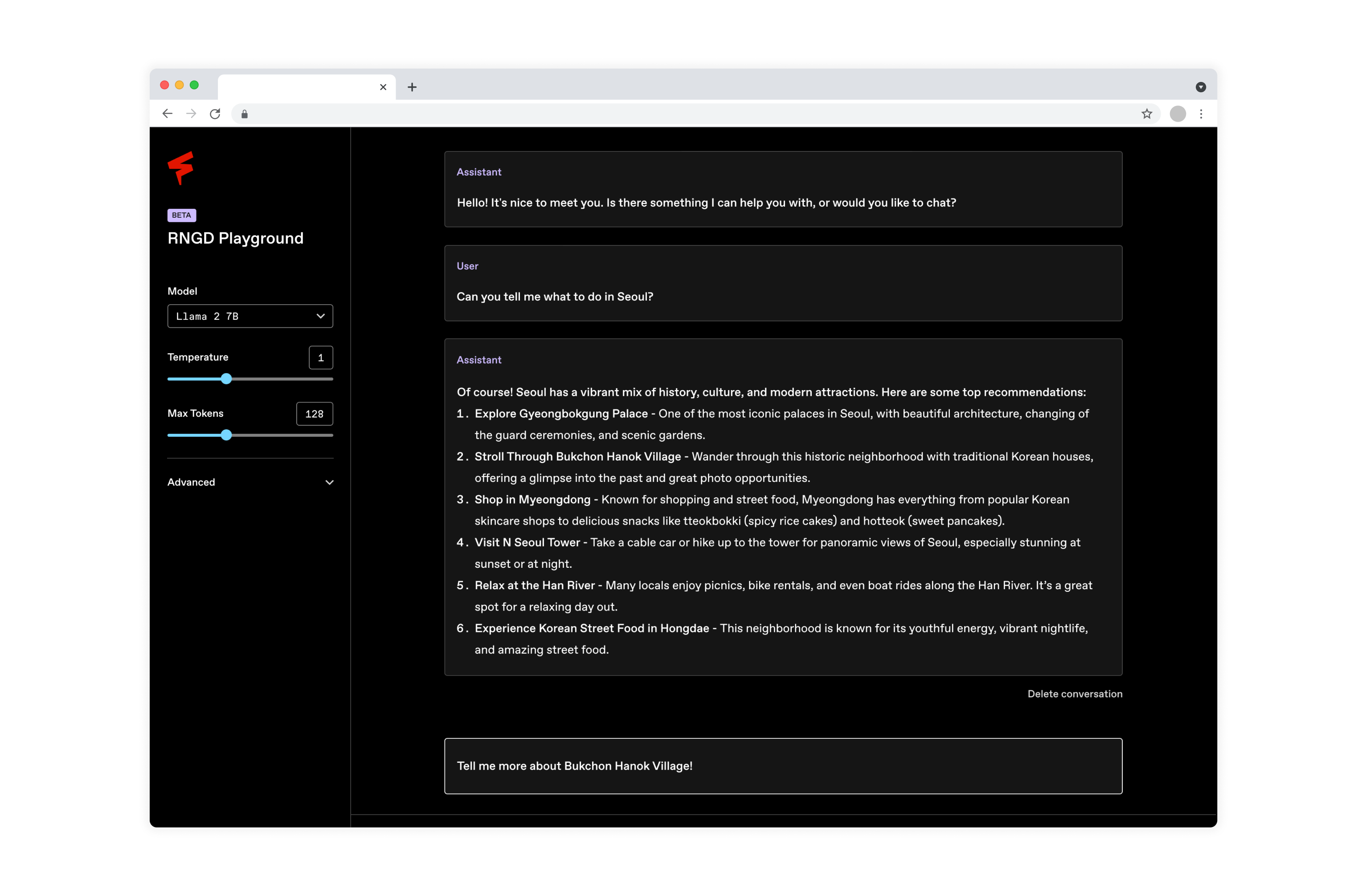
A self-serve API Playground that showed, not told.
I designed a browser-based playground where developers could run real prompts on GPT-J or LLaMA models directly on FuriosaAI’s chip. Latency was surfaced in real time. Model switching was instant. It felt like using a polished dev tool, not a hardware demo. It’s been widely used at conferences and sales meetings to showcase the chip.
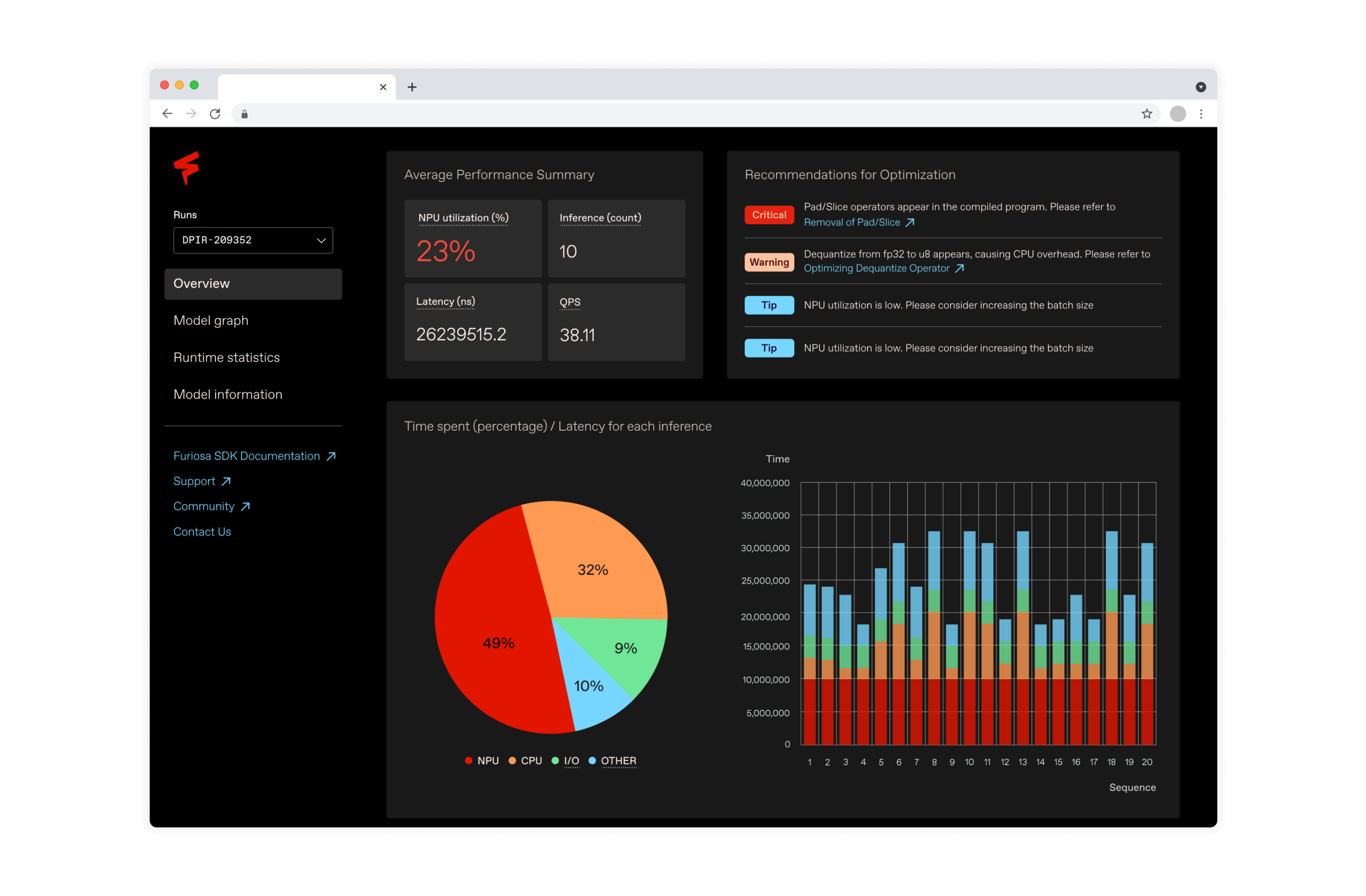
Lightweight performance profiling.
For engineers using the chips, the profiler is a central tool to FuriosaAI’s developer suite. It provides real-time performance, helping developers optimize their models running on the chip. The challenge here was to design for a broad range of technical expertise. Even within FuriosaAI, engineers had varying levels of familiarity with NPU workflows, so the tool needed to be simple enough for new engineers while providing advanced insights for expert users.
For all levels of expertise based on insights from user research, I worked on information hierarchy for performance summary. This helps developers to quickly identify key issues at a glance. For beginners, the Profiler guided them through performance optimization with actionable recommendations, while advanced users could dive into deeper layers of data to fine-tune their models.
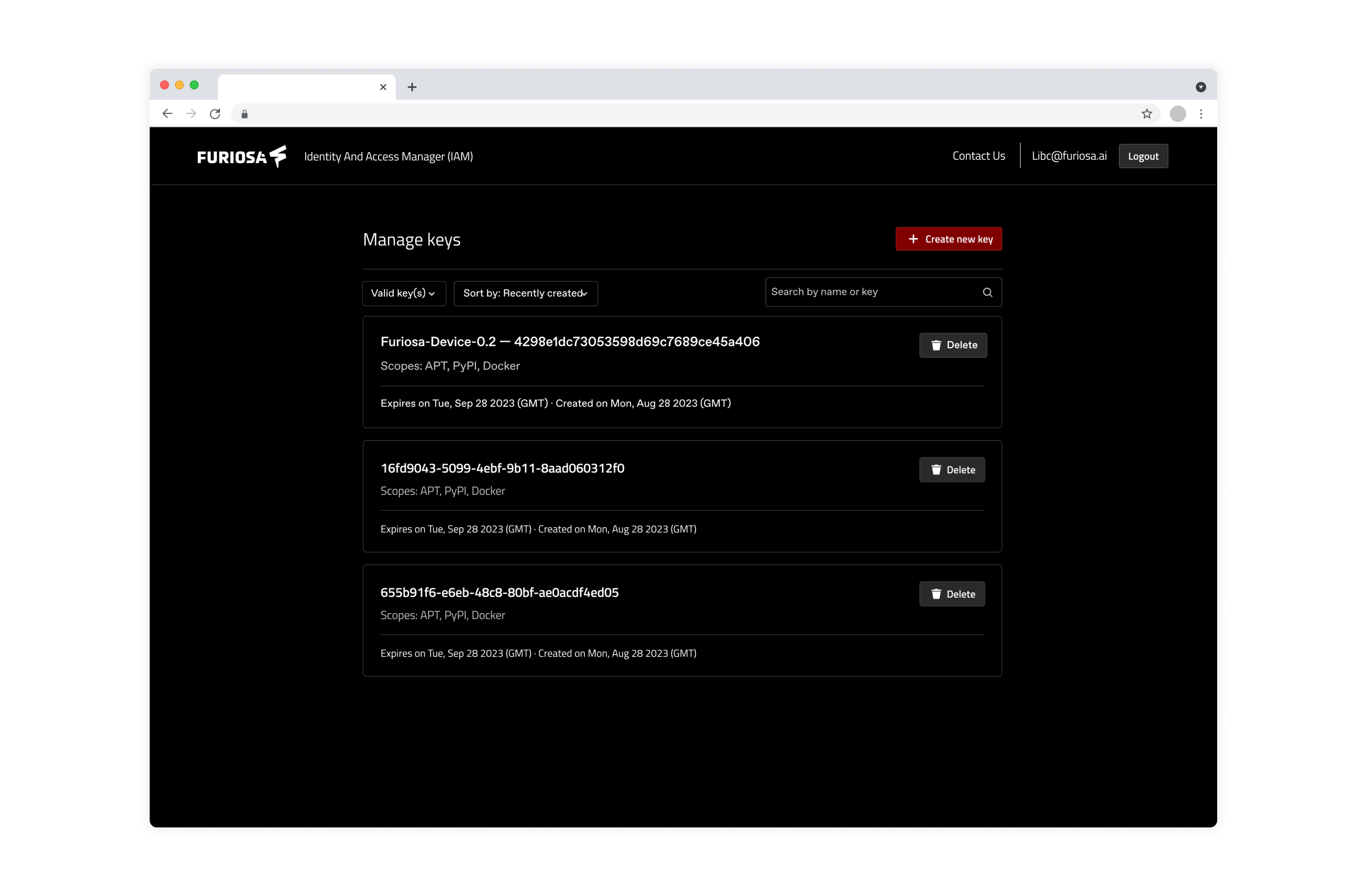
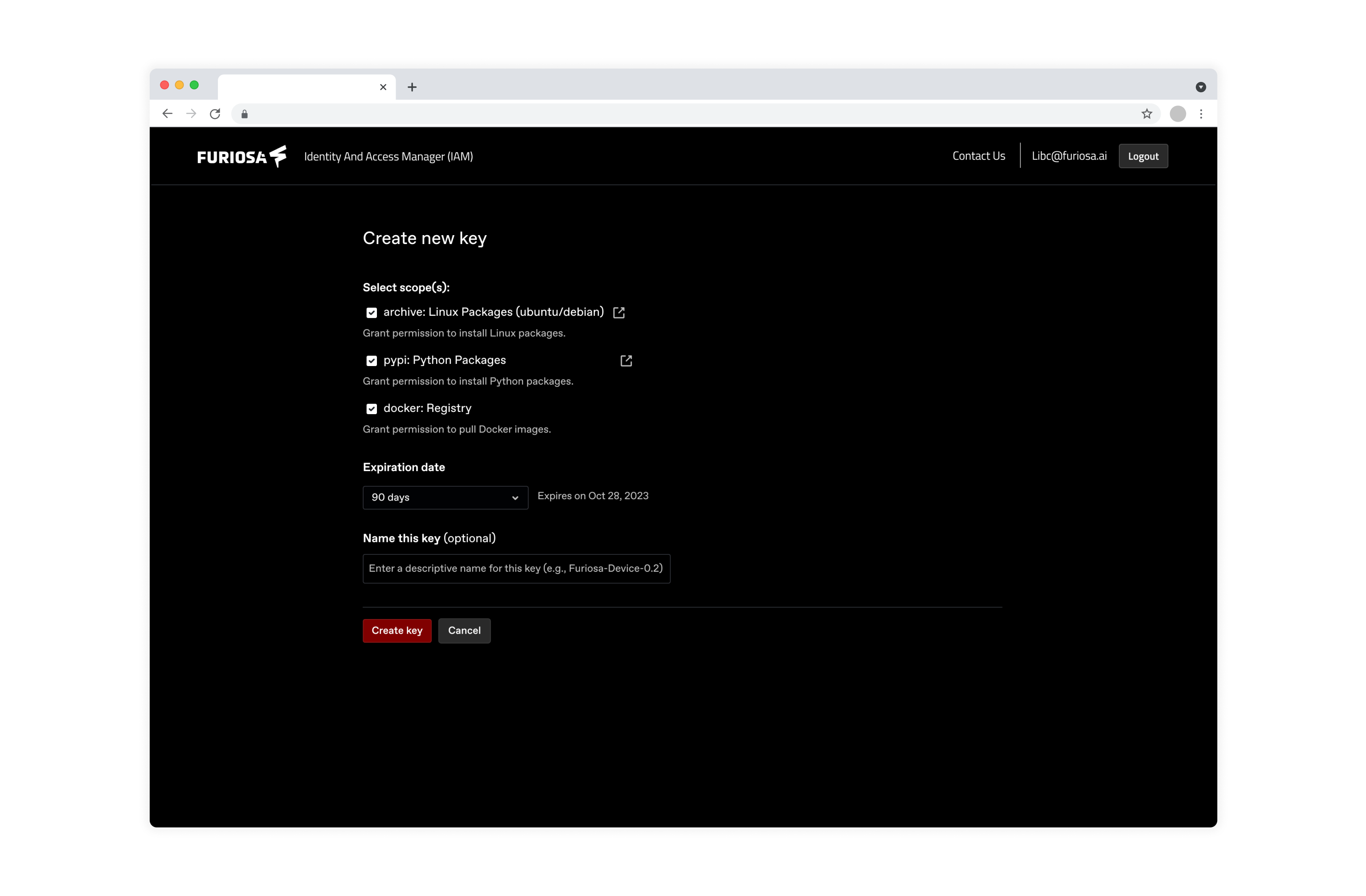
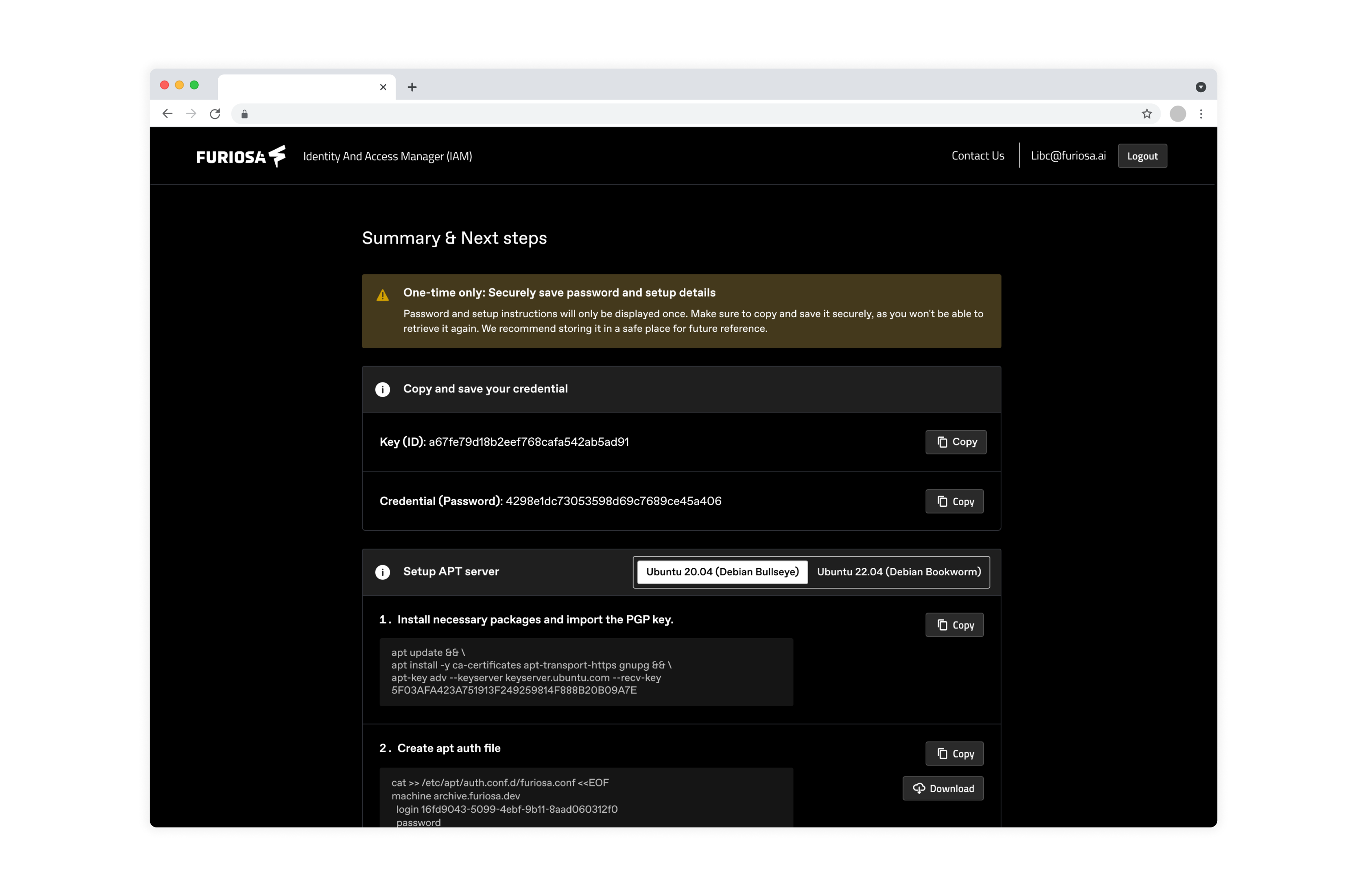
IAM and API key setup that didn’t require docs.
We built a full self-serve IAM experience from key creation to scoped permissions so engineers could get started in minutes. No back-and-forth with support.
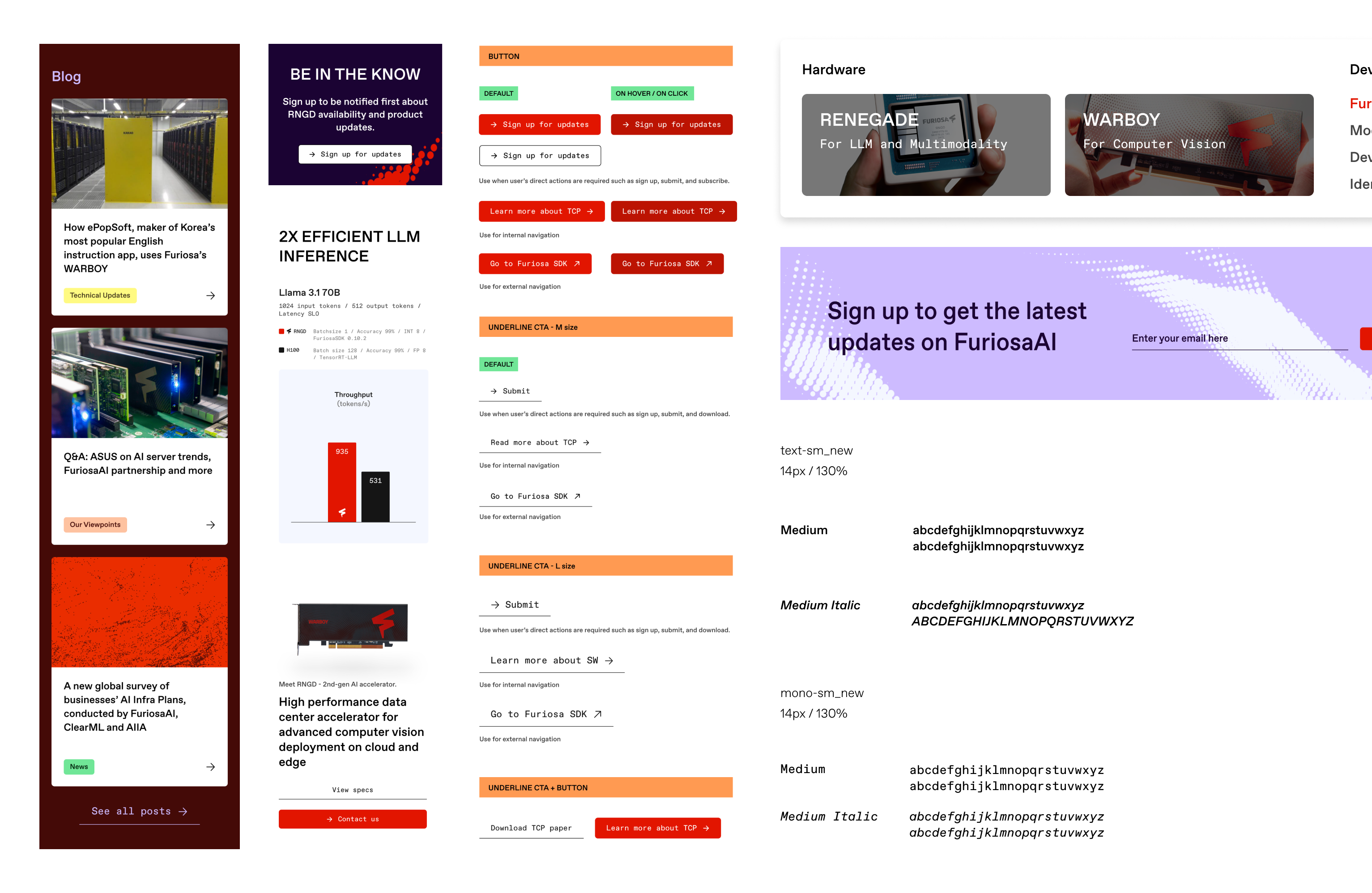
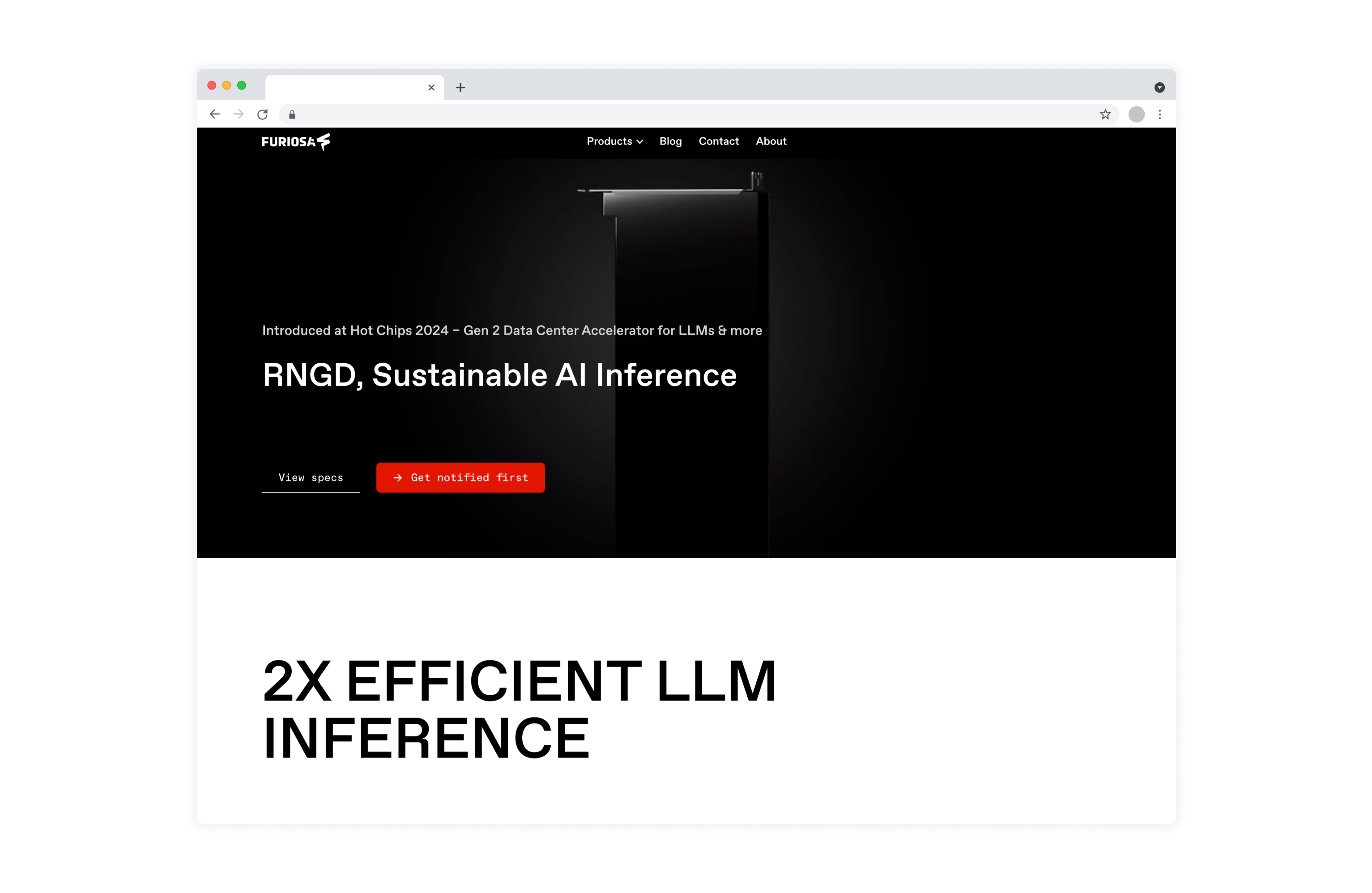
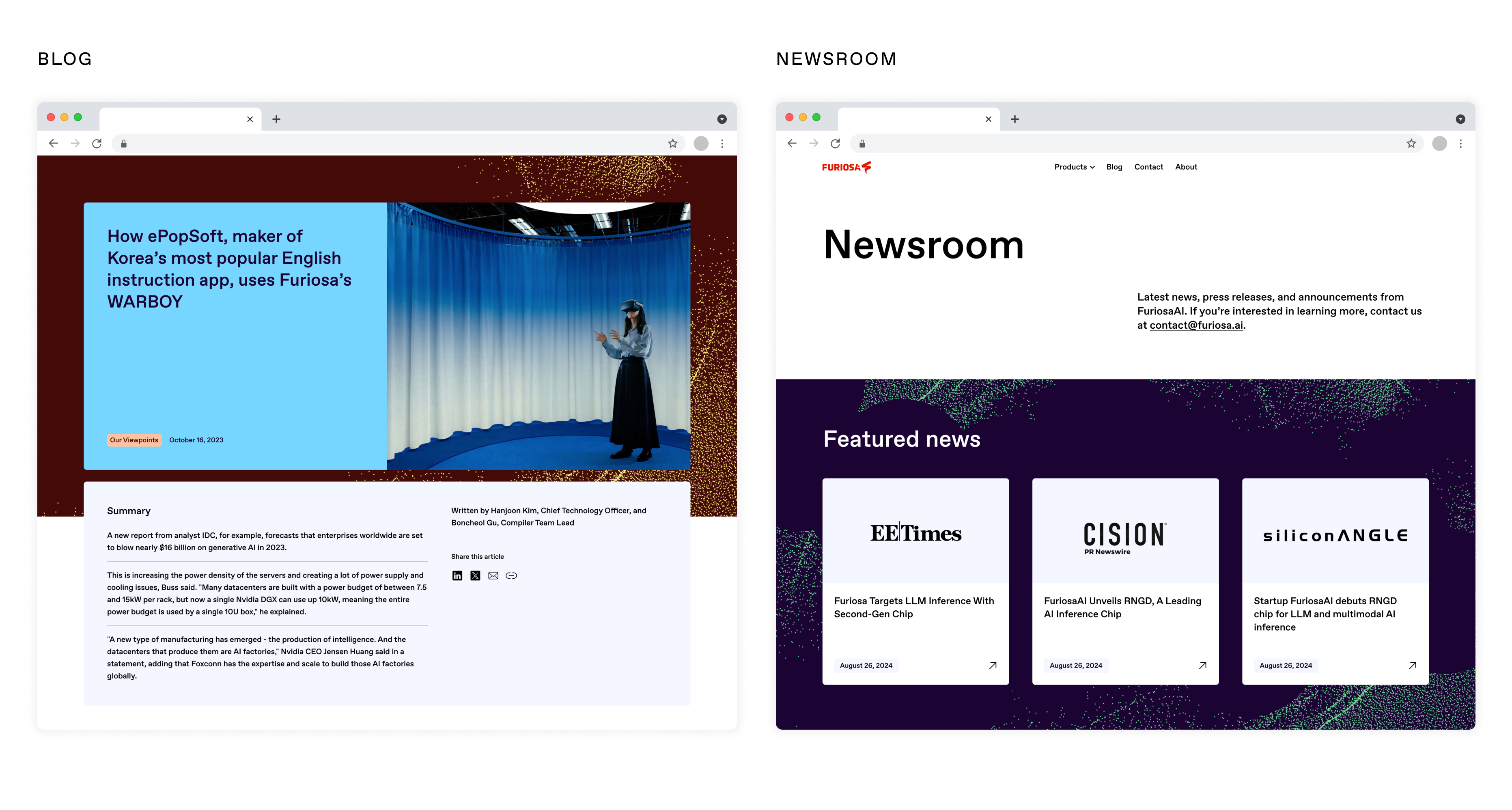
A modular design system and refreshed marketing site
To support launch and scale, I created a flexible design system that spanned FuriosaAI’s developer tools and public site (www.furiosa.ai). I also redesigned the marketing site to reflect Renegade’s performance story and target ML engineers and startup CTOs.
Together, these features turned FuriosaAI from a promising chip into a product developers could try, understand, and trust.
Process
I worked closely with the core engineering team and C-suite to prioritize features that showcased Renegade’s real-world strengths. I led the end-to-end design from PRD contribution and UX strategy to visual design, dev handoff, and launch support.
We ran internal dogfooding and live conference demos to validate the flow, making adjustments in real-time to support onboarding and model-switching edge cases.
I also collaborated cross-functionally with our go-to-market and growth teams to align on messaging, conversion points, and sales enablement.
Results
By removing friction and showing value early, we made a next-gen chip feel real and ready to build on.
I reduced developer onboarding time from days to minutes by designing a streamlined API Playground. The Playground became FuriosaAI’s #1 demo asset at industry conferences, helping shift the company’s perception from a hardware provider to a developer-first platform. It also accelerated trials and converted cold traffic into qualified leads evaluating the API.